
1.2. To brand or not to brand?
1.3. Can everything have a brand?
”Within every brand is a product,
but not every product is a brand.”
DAVID OGILVY (1911-1999)
PUBLICIST AND THINKER
In this first chapter, it is essential to address the concept of branding in order to understand its origin and the relationship with brand equity and brand capital. Firstly, it is necessary to distinguish between three key aspects in this book: (1) the importance of brands, (2) the characteristics of the brand and (3) the types of brands that exist in the market. Each of them is detailed below.
The concept of brand is marked by constant evolution, initiated in ancient Babylon, where it began as an element, becoming a sign in the Iron Age, continuing as a discourse in the Middle Ages, and as an applied rote system in the industrial economy, until today when it has become a complex phenomenon focused on the information economy, service culture and knowledge society, which at the same time include the previous concepts. Thus, the idea of brand has many meanings, which lead to it being interpreted as a multifaceted entity. In the following lines, we will try to explain it clearly, making use of the contribution made by Costa in 2004.
Based on the beliefs of antiquity, many historical doctrines used four elements to explain the behaviour of nature: (1) earth (solid), (2) water (liquid), (3) air (gas) and (4) fire (plasma). Among them, it could be considered that fire is the vital element, because of the importance it has had for many religions and because almost all peoples adored it as the noblest of the elements and as a living image of the celestial body of the day, the Sun.
From the Chaldeans (who considered it a supreme deity), through Persia (where Pyreia was created, the oldest monument to its cult) and continuing with Greece (where it burned in the sacred temples of Apollo, Ceres and Minerva), Rome (which represented it as the figure of Vulcan in the midst of the Cyclopes), the Tartars (who did not allow any foreigners to approach their territory unless they had purified themselves by passing between two fires), the Monomotapa empire (which expressly built a fire cabin wherever its emperor camped), ancient Africans (who paid celestial tribute to this element), the Yakouts (they believe that it is a being to whom they attribute the power to dispense good and evil and offer him perpetual sacrifices), the Indians on the shores of Columbia (who saw fire as a powerful and terrible being) and the Chinese who inhabited the confines of Siberia (who recognized it as a God of fire). That is to say, all of them saw fire as a divine element and, it should be emphasized that nowadays it is also an object of worship for marketing professionals and brand managers.

Figure 1.1. Fire, element of nature and brand.
Source: http://www.millerinsuranceassoc.com
Between the seventh and eighth centuries, society evolved with a lifestyle focused on the commercial exchange of agricultural, livestock and fishing products. Farmers burned the skin of their cattle, the Egyptians marked amphorae (depending on the colour, the shape of the handles and their origin), the Vikings left their mark through runic inscriptions on stones (runestones) with different geometric shapes, and even the Japanese made marks with stamps. The word brand derives from the Old Norse word brandr ('burn'), and is based on the fact that brands were, and continue to be, the means by which producers associate their goods using identification signs that differentiate them from the rest.
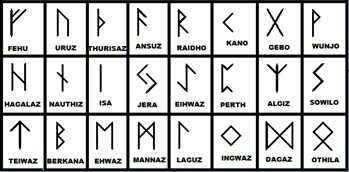
Figure 1.2. Runic alphabet.
Source: http://www.taringa.net
In the Middle Ages, the centre of economic activity was transformed, changing from a feudal, rural character to crafts, trades and manufacturing. That is to say, the mercantile society emerged, with groups of artisans, guilds and the development of trades.
Thus, artisans and traders identified their works by means of a sign of origin or author, which symbolized a seal of guarantee. The guilds, on the other hand, had to identify, following the rules, each of their products with the manufacturer's brand, which symbolized being an identity seal, while verifying the quality. Without a doubt, it was there that the “corporate” concept was born (also called “collective”). This corporate brand, therefore, was a means to prove that the rules were respected in terms of copyright. Along with this, symbolic codes with shields, military coats of arms and heraldic art emerged, which highlighted the importance given to differentiating one house from another with different colours applied to the emblems.
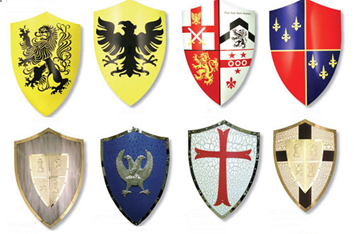
Figure 1.3. Brands of corporate shields from the Middle Ages.
Source: http://www.heraldicahispanica.com
In the seventeenth century, free trade was proclaimed, causing the corporations to dismantle and, with them, their distinctive signs and the brands that had accompanied them during the Middle Ages. That is to say, this economic liberalism meant that any manufacturer could produce products of different quality with the same brand without compromising their responsibility.
In the second half of the eighteenth century, economic evolution and social and political systems had a direct impact on the way of producing and consuming. The Industrial Revolution completely left behind the agrarian and artisan economy to give way to the economy of production, thus giving birth to the modern brand from a registered name. Therefore, word of mouth would be assured and consumers' confidence would be instilled, thanks to the exponential development of the new trade. This is how the first advertising works would be born in the United States, England and Germany.
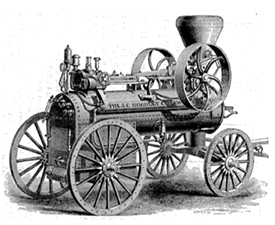
Figure 1.4. Machine from the Industrial Revolution.
Source: http://www.hiru.eus/historia/la-revolucion-industrial
Therefore, until the beginning of the twentieth century, brands were created with the aim of being (1) an identifying element, as the first function that the brand fulfilled since its origins (two thousand years ago) and (2) a differentiating element, through packaging and its distinctive iconographic attributes since the Industrial Revolution.
From then on, as the free market evolved, the top executives of companies made an effort to implement strategies to reach the consumer with more interesting offers than their competitors. In this way, it could be considered that it was around 1930 when the first concept of “brand management” was formulated, born within the multinational consumer goods company Procter & Gamble, founded a century earlier by William Procter and James Gamble.
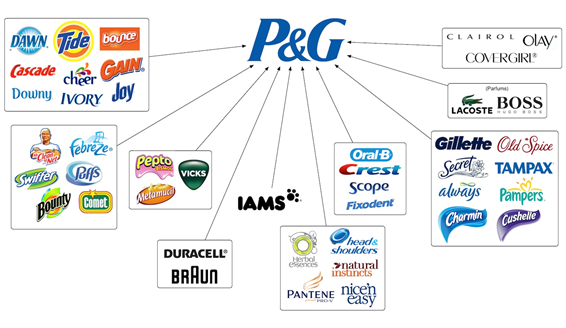
Figure 1.5. Primary brands of Procter & Gamble.
Source: http://www.pg.com
It was then that its president, Neil Hosler McElroy, and his team drafted a set of standards through which a system of brand control and management was proposed, which have been (and continue to be) mandatory references for all companies. This system of brands proposed the assignment of a person responsible for its management, backed by an adequate human team with the capacity to decide on the production and advertising of the brand. This meant that the US giant had several brands that could compete in the same sector, and even in the same market segment, thus holding the top positions of each family or category of products.
From then until today, research and public opinion about the concept of brand and its strategic management have been accentuated, bringing some confusion to many marketing analysts due to the complexity it presents. First of all, we must clarify certain erroneous ideas about it: (1) the brand is not the corporate mission statement, (2) it is not a record of legal property, (3) it is not a simple logo or slogan, (4) it is not a product or service like tangible goods and (5) it is not advertising or business communication. All of them, effectively, are part of the company's branding strategy, but in no case do they act in isolation as their own brand. In order to understand the idiosyncrasy of the brand in its entire splendour, it should be noted that it has two elements: (1) tangible and (2) intangible.
Taking the first element, corresponding to the tangible characteristics of the brand, the American Marketing Association defined the brand in 1990 as ”a name, term, design, symbol, or any other feature that identifies one seller's goods or service as distinct from those of other sellers“. Thus, the set of tangible elements gives rise to a subjective assessment by the recipient, which permits differentiation of the brand from others (beyond pure formal differentiation) and generates an attitude towards it (which will influence the purchase decision process).
Some marketing observers argue that each of the components that appear in the brand definition are brand identities and the resulting set of these components is the brand. That is, the brand name is a component of brand identities, which can be defined as that part of the brand that can be vocalized. Other researchers, however, consider that the brand is a visible, physical and lasting attribute, attached to a product or service, which aims to distinguish it from the rest. Therefore, the set is completed by including other elements such as slogans, sounds and packaging in the definition.
Regarding the second element, based on the intangible characteristics of the brand, a variant of the original definition provided by the American Marketing Association is offered, which introduces the expression “any other characteristic” and opens the door to other intangible elements, such as the image, that can set it apart. Therefore, a complementary version is proposed through which a brand is "a name or a symbol, its tangible elements and associated emotional attributes, whose mission is to identify the goods and services of a vendor and differentiate them from those of the competitors".
Following this line, the consumer becomes an essential part of the equation and, therefore, a brand is a promise that the company makes, in relation to the product or service the company provides. That is, it is a promise of satisfaction, a metaphor that operates as an unwritten contract between the producer and the consumer, the seller and the buyer, the context and those who inhabit it, a show and the public that enjoys it. Each of these “consumers” forms an opinion about the brand based on their experience, but can be influenced by the way they advertise the product and a large part of their buying behaviour is guided by emotional impulses.
Actually, the brand is, in itself, a commitment of the organization itself to society as a whole, which brings us to the concepts of consumer knowledge and trust. Therefore, to describe a brand, the values and qualities of the customer in question must first be listed and, from there, condensed into a positioning statement, this being the point of reference that provides the “management idea” to develop the attitude or behaviour of the logo itself.
Moreover, certain marketing experts consider that the brand implies more than a promise, it is a link, an evolutionary relationship based on perceptions and experiences that the client experiences every time he connects with it, as well as generating functional, self-expression and social benefits. These, therefore, have strength, are powerful, and brand managers should try to generate emotional connections with consumers, seeking to reflect their lifestyle with the products offered by the company. Therefore, the brand is considered to be a mechanism to achieve a long-term competitive advantage (see Figure 1.6.).
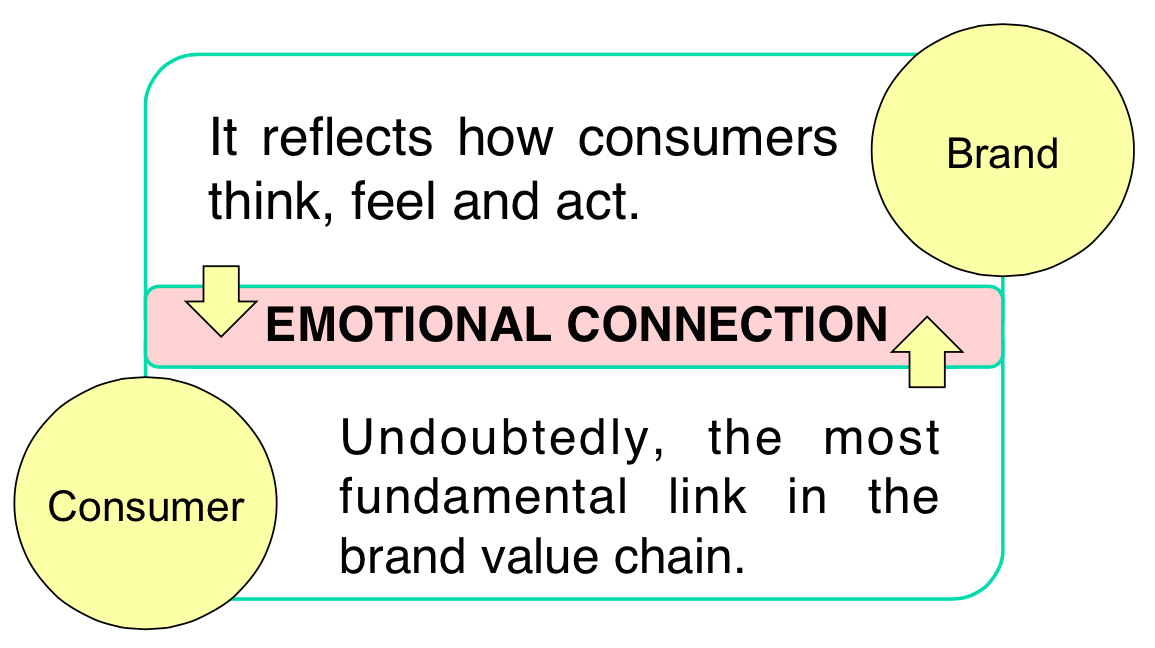
Figure 1.6. Brand and consumer relationship
Source: The author
Thus, brands simplify purchase decision-making processes and represent both a guarantee of quality and a real alternative: different, relevant and credible compared to the offer of the competition. The objectives of the brand must guarantee relationships that create and ensure future benefits, as well as increasing the preference and loyalty of consumers. According to Kotler, “Marketing is the art of brand building. If you are not a brand, you are a commodity. Then the price is everything and the low-cost producer is the only winner.” Therefore, and as commercial practices become globalized, the strategic management of the brand becomes an especially key element.
As a conclusion to this section, and making a philosophical reflection, we could say that a brand is: (1) a strategic approach seen from a branding perspective, (2) a definition of competitive advantage, (3) a source of value for the client, (4) a powerful combination of science and art and (5) a glimpse of life within arid capitalism. In short, the brand serves as a distinction and identification for everything that it will become.
“To be or not to be, that is the question”. With this phrase begins the first line of the soliloquy in Hamlet, written around 1600 by William Shakespeare, which has become one of the most famous quotes in universal literature and the best known in this work. It is considered that if Shakespeare had been a marketing manager, he would probably have reformulated his query: to be or not to be a brand, that is the question.
Therefore, the first question that must be resolved in the Marketing Department is knowing if, indeed, budget will be allocated to address branded products, or not. Thus, focusing on the difference between products and brands, the first is anything that can be offered to a market for its attention, acquisition, use or consumption, which can satisfy a need or desire. We can define five levels that cover all products:
• Core benefit: fundamental need or desire that consumers satisfy when consuming the product or service.
• Generic product: basic version of the product that contains only the attributes necessary for its operation but without distinctive features.
• Expected product: set of attributes that buyers usually expect and accept when they purchase a product.
• Augmented product: includes attributes, benefits or services related to the product that distinguish it from the competition.
• Potential product: includes all the aggregates and transformations that a product could experience in the future.
It is considered that a brand is more than a product, since it can have dimensions that differentiate it, in some way, from other products designed to satisfy the same need. These differences can be rational and tangible or symbolic, emotional and intangible. That is, what distinguishes and gives value to a brand compared to a counterpart, a product without a brand, is the sum total of the perceptions of the customers and the feelings related to the attributes of the product, as well as with the brand name, the company associated with it, its performance over time and everything it symbolizes.
Making a philosophical comparison between them, it can be understood that: (1) a product is built in a factory, a brand is built with trust and relationship; (2) a product is a simple object, a brand is unique and unrepeatable; (3) a product becomes obsolete very quickly, a brand has a touch of personality and feeling; (4) a product is sold by a merchant, a brand is purchased by a customer and friend; (5) A product is easily copied by a competitor, a great brand is timeless and can become divine.
Moreover, a brand accumulates a set of values and attributes over time, which in a meaningful and appropriate way, differentiates products that would otherwise be similar. Following this line, several marketing academics define a brand as the personality or identity of a product, range of products or an organization, derived from the consumer's perception of the attributes. This definition corroborates that the brand is something that transcends the product or service, that has a life of its own, that feeds on the original product, but that also carries its values and identity. Therefore, the brand represents the main satisfaction that the client expects and wants from the process of buying and using a product.
Brand development creates mental structures and helps clients organize what they know about products and services in a way that facilitates their decision-making and, in the process, gives value to the company. Thus, the key to brand development is based on consumers perceiving differences between the brands in a particular product category. These differences can be related to the attributes or benefits of the merchandise itself, or they may be linked to more intangible considerations regarding the image.
Consider the ice cream market. Until relatively recently, any consumer who needed to satiate their appetite after a meal or snack, could choose between a host of traditional ice creams or opt for substitute products such as pastries, products made from flour or fruit. However, since the introduction of frozen yogurt on the market, consumers have had to redefine their mental structure, having the option of including in their purchase choice scheme a new product, unknown until now. For example, the case of Llaollao, a pioneer in the yogurt category, with its ice cream, which, since it opened its doors to the Spanish market in 2009, has made consumers take into account their offer when making a purchase decision.
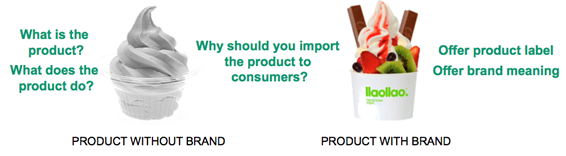
Figure 1.7. Brand Llaollao.
Source: The author
Undoubtedly, the company has managed to turn the market around with its unique offer, by making frozen yogurt stop being a simple product made in a factory to become a brand full of personality and feeling. It is, in effect, a declaration of creativity that is rooted in reality, as it reflects new perceptions and, perhaps, even alters the idiosyncrasy of traditional consumption.
Thus, the commercialization of products should be emphasized, taking into account the construction of brands, and this process should be continuous and indefinite in time, feeding on all the actions that the company directs to its public and on the interactions and experiences of the public with the company. That is, everything builds (or destroys) a brand and, recalling the words of Wally Olins, “the decision to bet on the construction and management of the brand must be prior to any other decision in the business approach, since it will condition most of the strategic and operative decisions of the company, in that all must be analysed from the perspective of their contribution to the brand”.
Therefore, brand strategy is not an accidental or fortuitous process that helps to create brand value for a company, nor is it a random prize that some companies make and others do not. Brand strategy is a voluntary, rigorous, methodical, informed and stipulated process through concrete practices. That is to say, it is a process which, carried out with rigor, maximizes the chances of success of any company in the market.
As a conclusion to this section, the brand should be considered an asset with incalculable value and, therefore, marketing managers should ask themselves the following question every morning when they wake up: is it worth making an effort to build and manage a brand?
Whenever and wherever customers decide between several alternatives, brands can play an important role in their decision-making. Consequently, marketing managers can benefit from the development of brands, provided that consumers are in a situation where they can choose.
Thus, it could be considered that everything can have a brand, which is accepted as a template in: (1) art, (2) goods, (3) causes, (4) culture, (5) rights, (6) sports, (7) entertainment, (8) experiences, (9) ideas, (10) industries, (11) places, (12) organizations, (13) people, (14) politics, (15) religion, (16) services, (17) societies and (18) the rest of the universe. Each of them is detailed below.
The line that delimited the communication of brand and art is disappearing and giving way to its voluntary integration in the contemporary art system, which is beginning to be part of its strategy and brand image. Pop art could be highlighted as an artistic movement of the twentieth century, characterized by the use of popular culture images chosen from different media (advertisements, comic books, cultural objects and cinematographic pieces), to counteract the elitist existing culture in the Fine Arts.
For example, in 1985 Andy Warhol painted the first work for the Absolut Art Collection, which has more than 800 unique pieces to date. Warhol himself acted as curator, capturing emerging artists from the New York scene of the time, such as Damien Hirst, Douglas Gordon, Keith Haring, Jean Michael Basquiat or Louise Bourgeois, as well as renowned Spanish artists such as Miquel Barceló, Oscar Mariné and Javier Mariscal. Also of note is Bansky, a British street artist, whose works are known around the world but whose real identity is yet to be revealed. Thus, art is at the service of every brand to build the iconography of its product, which can be exhibited both in the advertising media and in the showcases of contemporary art museums.
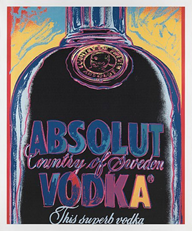
Figure 1.8. Absolut Vodka, 1985, by Andy Warhol.
Source: https://www.nationalgalleries.org
Without forgetting that many artists (those who make, create or produce works of art), such as actors, architects, craftsmen, bloggers, filmmakers, chefs, draughtsmen, designers, writers, sculptors, entrepreneurs, photographers, engravers, musicians, painters or trend-setters, have also added to the spirit of brand art through their own professional characterization.
While ten years ago business leaders believed that communication was the main cause of social recognition of a company, with visibility and generation of funding sources, for some time the idea of endowing the organizational brand with a strategic role has began to circulate, which acquires relevance for the company as a whole.
Today, evoking the words of Jean-Noël Kapferer, all organizations want to be brands. That is to say, beyond the world of the natural brand of producers and distributors of consumer goods, whose brands are competing in close combat, the brand has become a strategic issue in all sectors, whether high or low technology, products, services, components, business to business (B2B), pharmaceutical laboratories, non-governmental organizations (NGOs) or non-profit organizations. Therefore, following the researcher's contributions, it is considered appropriate to also include the business to consumer (B2C) market and the consumer to consumer (C2C) market. Everyone sees, without a doubt, a use for brands.
Figure 1.9. Headquarters of P & G in Cincinnati, USA.
Source: http://www.pg.com
Large (and not so large) organizations are choosing to include a percentage of their annual budget to emphasize the role of the corporate brand in their business plan. For example, Procter & Gamble, which operates with more than eighty important firms, maintains the corporate brand as the main visible face throughout the world.
This indicates, broadly speaking, that powerful competitors such as Reckitt Benckiser, Unilever or Henkel, should also include action plans focused on increasing the renown of the corporate brand, since the consumer wants to know the origin of the products that he acquires in his weekly shopping basket.
The term culture was defined by Alfred Kroeber and Clyde Kluckholn in 1952 as excellence in taste for the fine arts and the humanities (high culture), as well as the sets of knowledge, beliefs and behaviour patterns of a social group (including the material means used to communicate with each other). Nowadays, culture is, as if it were a market, subject to the laws of supply and demand of the capitalist economy. The cultural changes that have taken place over time (whether through enculturation, acculturation, transculturation or inculturation) have led to the brand becoming very relevant.
For example, the Bull of Wall Street, current symbol of the financial district of New York, was initially described as an act of artistic vandalism on the part of Arturo di Modica, the progenitor who in 1989 positioned it in front of the stock exchange building with the help of a crane having spent 360,000 dollars on its realization. Thus, the initial gift that the artist offered to New Yorkers and that the town hall removed after a short time was finally located in Bowling Green after popular pressure. Today, the Charging Bull is portrayed as an amulet of good luck, which through a slight caress to his snout or testicles permeates the life of the passer-by with economic fortune.
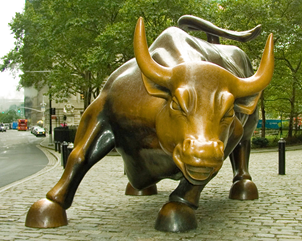
Figure 1.10. Charging Bull, cultural symbol of the financial district of New York.
Source: http://www.chargingbull.com
Another clear example of a cultural brand is the Thyssen Museum, a picture gallery of old and modern masters located in Madrid (Spain), which houses all kinds of collections (cubist, futurist, post-impressionist, renaissance, surrealist, etc.) and competes with other brands that denote contemporary culture such as the Louvre in Paris (France), the National Museum of Natural History in Washington DC (The United States), the British Museum in London (The United Kingdom), the National Palace Museum of Taipei (Taiwan) or the Vatican Museums of the Vatican City. In short, culture is undoubtedly based on all of us, and that is well known by brands, who try to exploit their symbolic value to the maximum and thus make the most of civic emotion.
It may be that sports brands are the ones that have best exploited branding. For example, Nike managed to increase its brand renown in the shoe category thanks to its association with elite athletes such as Carl Lewis, Cristiano Ronaldo, Michael Jordan and Roger Federer, among others. Adidas applies a similar strategy in association with important European football clubs, such as AC Milan, Chelsea FC, FC Barcelona, Juventus FC, Manchester United FC, Real Madrid CF and Valencia CF. The same goes for other sports brands such as Asics with running and Mizuno with baseball, Dunlop with paddle, Puma with Usain Bolt and Reebook with CrossFit. Even the New York Yankees and Los Angeles Lakers, which are part of the ranking of the most valuable brands in the sports world. Or the NASCAR model (National Association of Series Car Racing), considered the sport with the most sponsoring brands in the world. Thus, sports branding is a powerful weapon that when used well, can turn a simple brand into a lovemark, transforming mere fans into fanatics.

Figure 1.11. Air Jordan Logo.
Source: http://www.famouslogos.us/air-jordan-logo
It should be noted that sports branding, although it contributes to generating high revenues for sponsoring companies, may be one of the highest risk bets, mainly due to the fact that sports brands cede a major part of their image to the good work of athletes, who can sink it if their behaviour (on or off the field of play) is not appropriate. For example, the unfortunate events related to Lance Armstrong, Oscar Pistorius and Tiger Woods toppled the high value of their sponsoring brands, which should diversify their investments in brand building beyond a few athletes.
In economics, the theoretical concept of goods refers to any object or merchandise, tangible or intangible, worthy of being interchanged, which is useful for the consumer and satisfies some individual or collective need, or that contributes to their well-being. In this way, we can speak of goods as something different from services, although the latter also satisfy needs and contribute to well-being.
These economic goods tend to be scarce and are acquired in the market in exchange for payment. That is to say, they can be material and immaterial goods with economic value, susceptible to being evaluated in monetary terms. Thus, we can distinguish between three types of goods, in which what is important is tangibility (pure tangible, tangible with annexed services, hybrids, main service with annexed goods or pure service), durability (perishable or non-perishable) and the type of buyer (consumer or industrial); and brands have been able to adapt to all three types of goods.

Figure 1.12. Aston Martin DBS as a vehicle for agent 007, James Bond.
Source: http://www.astonmartin.com
For example, and emphasizing consumer goods, brands such as Nesquik, Cheerios, Snickers, Pringles or Twix are annexed to convenience products. Others such as Android, Movistar, Orange, Samsung or Toshiba are more suited to comparison products. In turn, brands such as iCloud, iMac, iPad, iPhone or iWatch are accentuated as products of conviction. Unsurprisingly, companies such as Balay, Bosch, Ford, Ikea and Toyota stand out for sporadically bought products. Others such as Aston Martin, Ferrari, Maserati, Rolex and Yamaha emphasize the importance of specialty products. While brands such as Falabella, Casper, Sealy, Porcelanosa and Roca have been created to highlight the virtues of high durability products.
To sum up, we can say that brands play an extremely important role in the oversaturation of offers and the aggressive policies of the competition, since the products need to differentiate themselves from the rest to stay alive in the market.
Social struggles, understood as protests of the population with objectives attributed to labour or general welfare, are part of the history of humanity. These conflicts tend to lead to social transformations within each historical period and, for the same reason, official history tends to ignore many of these processes, which remain in what Walter Benjamin called "the ruins of history”.
For certain sociologists, proponents of the “theory of the risk society”, the current social struggles are framed in processes that go beyond any confrontation against capitalism or class struggle. These protests, still immature in terms of social change, can be revolutions of different types (1) ecological: based on the need to safeguard the ecosystem through sustainability, which dismantles the classical view of the traditional industrialist economy; (2) feminine: based on the transformation of the socialization of gender and the traditional idea of family; (3) microelectronics: based on the idea of digital revolution as a step to a new information age and (4) socio-political: based on the opening of the political framework to citizenship, which seeks to downplay the traditional political-economic model to give way to a new era where there are no differences between capitalists and socialists.
Brands, then, are not exempt from participating in such social events. For example, non-profit organizations such as Oxfam, Doctors without Borders or UNICEF work for medical and humanitarian purposes, to order to help victims of natural or human disasters and armed conflicts, without discrimination of race, sex, religion, philosophy or politics.
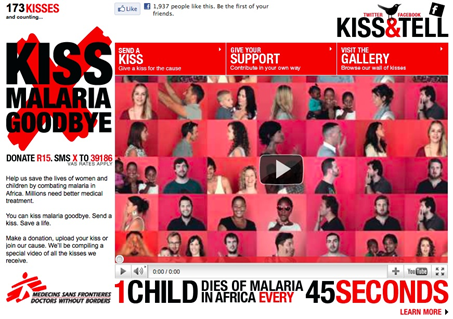
Figure 1.13. Doctors without Borders campaign.
Source: https://www.doctorswithoutborders.org
Other firms such as The Body Shop, Greenpeace and Seeds of Change have also become aware of the need to fight for some humane cause and have appealed to the philanthropic instincts of their followers. In short, brands are becoming increasingly relevant in the current socio-economic paradigm, becoming reference symbols for thousands of citizens around the world, both personally and professionally, who often fight for a just cause.
Speaking in legal terms, domain or property could be considered direct and immediate power over an object or goods, by which the owner has the ability to use it without any legal limitation. Therefore, the object of property rights is constituted by all goods susceptible to appropriation, which require the conditions of utility (otherwise, the appropriation would have no purpose), existence in limited quantity and susceptibility in its occupation, since it could not work in another way. Moreover, the legal scholar Guillermo Cabanellas emphasized the concept of property as "the domain that an individual has over a certain thing, with which he can do whatever his will desires."
Thus, the division of the different types of property could be presented according to the type (public, private, individual, public collective or private collective), nature (movable, immovable, corporal or incorporeal property) or objective (property goods destined for consumption and production). These properties can be acquired in a universal way, for consideration and free of charge, in a conventional or unconventional manner. They can also be transmitted in a virtual, legal or real way. Therefore, considering that properties can be bought and sold, they require marketing activities to carry out appropriate exchanges of value, and brands that stimulate said exchange.

Figure 1.14. London Stock Exchange, historic heart of the British financial district.
Source: http://www.londonstockexchange.com
For example, companies such as HSBC, Royal Bank of Scotland, Endesa, Inditex and Repsol stand out for their high trading volume in the continuous market. Other brands such as Gold Barclay Card, Orange Account, Facto Deposit, Variable Mortgage or Strips are notable for being linked to financial products offered on stock exchanges or banks. Others such as Century 21, Keller Williams, RE/MAX, Stribling or Christie’s have been consolidated as real estate transaction brands.
On the other hand, companies such as BBC, CNN, FOX, NBC and UKTV have positioned themselves as television references. Others such as TalkRadio, Beam FM, Absolut Radio, 6 music and House Nation UK have done the same in radio. The Times, The Sun, The Independent, Vogue and Hello! have established themselves as written press companies. And all of them compete for copyright, broadcasts and image rights.
Entertainment is defined as the set of activities that allow people to spend their free time having fun and temporarily forgetting their troubles. This is part of the broad family of leisure, which has become a booming sector with economic activity, especially through amusement and theme parks, the media and film, sports, music and entertainment industries and videogames. The companies, therefore, know of the impressive growth that this sector has experienced and, for this reason, they give birth to brands (or reinvent others) in search of satisfying certain needs to circumvent worry.
Brands such as Cavo Paradiso Mykonos, Koko London, Nikki Beach Marbella, Pacha Dubai, Usuaïa Ibiza and VIP Room New York spend their marketing budget on offering very attractive settings to the consumer, in the quest to capture their full attention in activities such as clubbing. Many of them even coordinate their product strategy by co-branding with other services such as the performance of in vogue DJs (Armin Van Buuren, Aviici, Calvin Harris, David Guetta, Steve Aoki or Tiësto) and the celebration of special parties (Cirque De La Nuit Boat & Party Pool, Flower Power, Matinée, La Troya and various Closing Parties) to maximize fun evenings and intensify consumer frenzy.
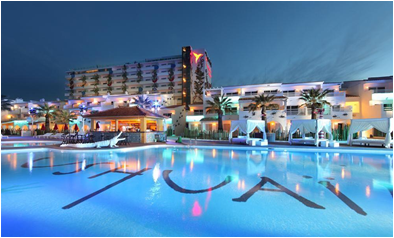
Figure 1.15. Usuaïa Hotel Ibiza.
Source: http://www.ushuaiabeachhotel.com
Other brands such as Alton Towers, Drayton Manor and Legoland Windsor have built leisure complexes, offering theme parks, water parks, golf courses, theme hotels and varied attractions. Even firms such as Jet Ski, Leki and Yumping seek to convert people's hobbies into compulsory weekly tasks, through activities such as mountaineering, hiking, trekking, surfing, windsurfing, skateboarding, motorized skateboarding, diving, sailing, kayaking, jet skiing, race driving, snorkelling, parasailing, ski bus, parachuting, multi-adventure circuits and flyboarding.
An idea, from the Greek ἰδέα (“aspect”, “appearance”, “form”), related to εῖδος (“sight”, “vision”, “aspect”), is a mental representation arising from the reasoning or imagination of a human being, considered to be the most basic act of understanding, when contemplating the mere act of knowing something. The human disposition to contemplate ideas is associated with the capacity for self-reflection, creativity, reasoning and the ability to acquire and apply the intellect. Ideas give rise to concepts, which are the basis of any kind of scientific or philosophical knowledge. However, in a popular sense, an idea can occur in the absence of reflection, such as when talking about the idea of a person or a place. Therefore, according to the theory of ideas in Platonic philosophy, they are situated in the intelligible world, since they are the only source of true knowledge, being absolute, eternal entities, independent of the physical world, individual, infinite, immaterial, immutable, perfect and, above all, because knowledge leads to universal truth.
In the capitalist, consumerist society in which we live, ideas are considered a source of nutrition for most companies. Thus, organizations seek to capture human capital, whose ingenuity can generate archetypes according to the projects they are carrying out and, in this way, develop consistent products to dazzle the target audience. This explosion of gray matter can (and should) be recorded, once it is captured, in paper format, in any of the corresponding adjudicating offices of intellectual and industrial property rights.
Figure 1.16. Bar code of an idea.
Source: http://www.polyvore.com
Furthermore, in order to solidly consolidate the Marketing Department, creative professionals are needed who can unleash fervent inspiration and, following the foundations stipulated in the creation of the brand idea, will be in charge of developing the verbal and visual identity of the brand. With these and other elements that we will later analyse, the brand book will be configured, which will be the firm’s fingerprint.
A service is a set of activities whose purpose is to respond to the needs of a client. In other words, it is the non-material equivalent of goods, whose main characteristics are intangibility, heterogeneity, inseparability, perishability and the absence of property. Services also include a variety of activities performed by a certain number of people who work for the state (civil servants who perform public services) or for private entities (business owners and employees who perform private services). Therefore, we can find a host of service brands designed to provide value to the supply of drinking water, social assistance, fire fighters, mail, education, electricity, cleaning, telephony, telegraphy, transportation, health, etc.
Analyzing one of the named services, education could be defined as the process of facilitating learning by transferring knowledge, skills, values, beliefs and habits from one group of people to another, either through teaching, discussion, training, research or storytelling. Therefore, it is considered that it is present in all the actions, attitudes, feelings and words of the student and the educator, either through self-learning or through any experience with an educational effect on the way of thinking, feeling or acting.
Brands, in their eagerness to conquer the palate of intellectual diners, have begun to work closely with the education sector, which has ceased to be a simple instrument offering training services to be enshrined as a tool of value creation (academic and business) and global connection, where colleges, institutes, universities and business schools compete to achieve a competitive advantage, as well as to attract students from the four corners of the globe. For example, the British company Quacquarelli Symonds publishes the QS World University Rankings annually, which includes the 700 best universities in the world, basing its study on a methodology built from a series of indicators, such as academic peer review, the commitment to teaching, the impact of the research generated, the reputation of the employer and the diversity of the student community and academic staff.
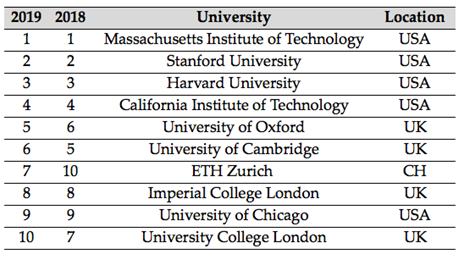
Figure 1.17. QS World University Rankings.
Source: Adapted from http://www.topuniversities.com
To this, we must add that the human capital of educational institutions (managers, professors and service staff) has a fundamental role in the commitment to generate valuable information, relevant training and quality research. Because, undoubtedly, the educational brand has increased the range of possibilities where the retention of talent and the prevention of brain drain are priority objectives for many governments and countries.
Like religions, brands want people to have faith in what they have to offer. This faith, ideally, leads them to have lifelong devotion and to believe in the authenticity of the firm. One might even think that many brands claim to be mini-religions themselves. Therefore, looking at different brands starts to look like looking at very different religious cults. That is, for brands, it is no longer enough to be sold in a shop; they want to have their own spaces of veneration.
Thus, for example, The Walt Disney Company was among the first brands to create its own sanctuary in the fifties, implemented through the Disneyland amusement park in Anaheim (California). Having received millions of visits from around the world since its inauguration, it is considered a tourist Mecca. Apple, meanwhile, located its own temple on 5th Avenue in New York in 2009, and has already become a symbol of the city. In fact, it has been proven that it is the most photographed place there, either because of its structure in the form of a glass cube, because it was established as a mandatory stop for visitors or because a lot of customers around the world are in love with the brand and want to have their picture taken at the flagship store. Even football stadiums, such as Club Atlético de Madrid’s fabulous, brand-new Metropolitan Wanda, which for many fans are considered places of worship where they can pay homage to their idols. That is, in the twenty-first century, it is increasingly fashionable to see brand temples everywhere.
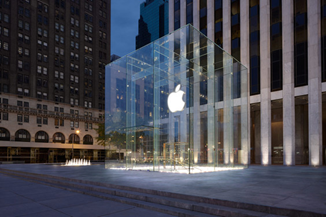
Figure 1.18. Apple Flagship Store.
Source: http://www.apple.com/retail/fifthavenue
In turn, while spiritual branding may seem like art, it is also in debt to religion. Therefore, doctrines themselves also seek to take advantage of marketing. Thus, the five major brands of religion in the world (Buddhism, Christianity, Hinduism, Islam and Judaism) and those that are not so well known seek to generate prominence and brand image through preconceived messages such as goodness, purity, miracles and even omnipresence.
Experience is a form of knowledge or skill derived from the observation, participation and familiarity with an event that happens in the life of a person that usually takes place collectively. Thus, many brands try to position themselves in the mind of the consumer as the best choice when choosing and sharing an event.
Speaking of experiences based on events (adventures, weddings, birthdays, Mother's and Father's Day, sojourns, Christmas, evenings, gourmet plans, relaxation plans and Saint Valentine's Day) the brand “Life Is Beautiful” has designed a business model based on grouping gifts of experiences. According to its content, the experiences can be grouped to create some of the 38 predefined packs, which are formed by a varied offer of related experiences from more than 19,000 possible choices. In turn, the firm competes with others such as WonderBox, SmartBox, DakotaBox and other companies that have joined the cause and have included in their offer a new business line based on giving and sharing experiences, such as The Dubai Mall, Liverpool One and Decathlon.

Figure 1.19. Time Together Smartbox Pack.
Source: https://www.buyagift.co.uk/smartbox-by-buyagift
On the other hand, and speaking of experiences based on events, brands such as Clearwater Events, TBA, MCL Create and Event Planner Spain are responsible for developing in-house projects in order to maximize customer satisfaction. Other companies such as Arcadia London, Re-Textured, International Festival of Benicàssim (FIB), FSTVL and Junction 2 manage events such as music, theatre or dance festivals.
Industry can be defined as the set of processes and activities whose main purpose is to transform raw materials into finished or semi-finished products. In addition, industry also needs machinery and human capital, which is usually organized into companies. Thus, we could identify three types of industry: (1) heavy industry, which uses huge factories that work with large amounts of raw materials and energy. These include automotive, cement, metallurgical, chemical, petrochemical and steel; (2) light industry, which transforms raw or semi-processed raw materials into products intended for direct consumption by people and / or service companies. These include food, aerospace, arms, pharmaceutical and textile; (3) cutting-edge industry, which uses the most advanced and recent technologies, which include astronautics, computer science, mechanics and robotics.
For example, MRW, a Spanish shipping company based in Barcelona, leader in the rapid transport of packages up to 80 kg, is the only approved company for the transport of animals. This undoubtedly means the distributor brand has increased its market value with respect to others such as ASM, DHL, Enviália, FedEx, Keavo, Nacex, SEUR and even the Post Office.

Figure 1.20. Rapid national transport by MRW.
Source: http://www.mrw.es
This industrial market consists of collaborators (manufacturers, suppliers, distributors and/or retailers) who work on different phases of the product, from manufacturing to the final sale to the public. These co-operators must ensure that their brand stands out and differs from their opponents, in order to gain market share in such a competitive environment.
The Earth has a surface of approximately of 510 million km2, of which around 70% is covered by water and the remaining 30% corresponds to the land. Whether cities, towns, villages, deserts, jungles, blocks of ice or orchards, they all belong to one world. Throughout the history of humanity, there have been countless conquerors who have tried to take over the world, or part of it. Among them, we can highlight:
• Cyrus the Great: who founded the Achaemenid (Persian) Empire between 590 B.C. and 530 B.C.
• Alexander the Great: ruled the Kingdom of Macedonia from 336 B.C. until his death.
• Julius Caesar, Marco Antonio and Octavio Augusto: who led Ancient Rome between 290 B.C. and 451 A.D.
• Charles the Great (Charlemagne): the king of the Franks and the founder of the Carolingian Empire between 742 A.D. and 814 A.D.
• Attila: the last and most powerful leader of the Huns, who ruled the largest European empire from 434 A.D. until his death.
• Genghis Khan: leader of the Mongol Empire was characterized by conquering a territory that stretched from South Asia to Central Europe, and was the largest territory in history conquered by one man.
• Jaime I the Conqueror: heir of the Crown of Aragon, conquered the Balearic Islands, Valencia and Murcia between 1231 and 1245.
• Mehmet the Conqueror: Sultan of the Ottoman Empire, who conquered Constantinople in 1453, which meant the end of the Byzantine Empire.
• Túpac Yupanqui: heir of the Inca Empire, who expanded its borders and reinforced the fortresses in the Kingdom of Cuzco between 1444 and 1493.
• Christopher Columbus, Hernán Cortés and Francisco Pizarro: explorers and warriors of the Spanish Empire who acted during the time of ”The Conquest” between 1492 and 1531.
• Napoleon Bonaparte: head of the French Empire and King of Italy after the French Revolution until he was defeated in 1815.
• The Duke of Wellington: who definitively defeated Napoleon Bonaparte at the Battle of Waterloo.
• Adolf Hitler: Führer of Nazi Germany, he conquered almost all of Europe in the twentieth century until his fall in 1945.
All of them, undoubtedly, tried to establish their brand in terrestrial geography based on battles and wars. At present, however, this misappropriation has been replaced by more humanistic actions on the part of the governments. Most of them compete to position themselves at the top of the list of most interesting places to visit and thus be able to attract a greater number of tourists. For example, many cities compete for the highest architectural or structural height of their buildings. In fact, among the tallest skyscrapers in the world today, we can highlight the Burj Khalifa in Dubai, at 828 metres and 163 floors; the Shanghai Tower, at 632 metres and 128 floors; the Abraj Al Bait towers, located in Mecca, at 601 metres and 120 floors; the Ping An Finance Centre in Shenzhen, at 599 meters and 115 floors, and the Goling Finance or Cepsa Tower (Torre Foster), located in Madrid, at 250 meters and 49 floors. The types of products / services that they offer have made the investment in increasing geographical brand renown very important in recent years.
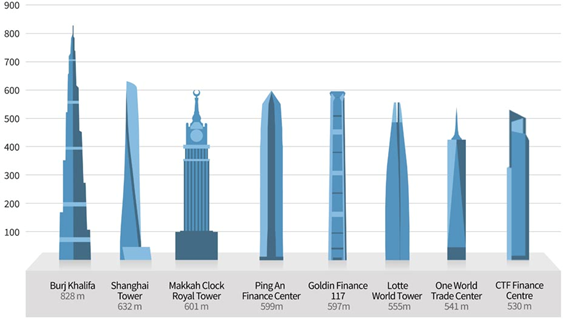
Figure 1.21. World’s Tallest Buildings.
Source: https://www.emporis.com/statistics/worlds-tallest-buildings
Since 1989 when Roberto Occhipinti spoke about the concept of country brand for the first time and Simon Anholt included it as an intangible asset in business marketing strategies, the reputation and brand image of a country has become a staple through multiple parameters, such as culture, sports, companies, public and private organizations, products and services, and tourism. Therefore, the phenomenon made in (or the added value of products with a well established origin) has managed to attract foreign capitalization, recruitment of manpower, political and cultural influences, as well as tourism.
Since Tom Peters introduced the phenomenon of personal branding in 1997 through the article “The Brand Called You” written for Fast Company magazine, brands have changed the lives of many of the seven billion people that inhabit the world, especially in the professional field, through which an individual can (and must) differentiate themselves from others by showing the world their skills, abilities, concerns and achievements.
The personal brand maximizes the professional opportunities of those who know how to exploit it, as is the case of David Robert Joseph Beckham (better known as David Beckham), former English footballer and winner of a large number of sports trophies between 1992 and 2013. Today, despite having minimized his value as a midfielder, he continues to stand out through his personal brand, which he has managed to refine so well. Beckham has become a social and advertising phenomenon, with which many fashion companies struggle to echo their power of attraction in order to generate brand renown and increase sales.
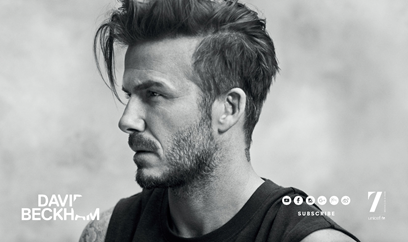
Figure 1.22. David Beckham as a personal brand.
Source: http://www.davidbeckham.com
Another clear example of a celebrity is the English fashion designer, Stella Nina McCartney, whose personal brand continues rising, having received numerous awards throughout her professional career, highlighting the VH1/Vogue Designer of the Year award in New York, the Woman of Courage Award for work against cancer in Los Angeles, the Red Carpet Award by the British Fashion Council. Undoubtedly, another example of good brand positioning and brilliance in its implementation, which improves the brand image of the fashion industry and increases its particular advertising activity.
Political parties also resort to different marketing activities to increase their votes. In addition, the fact that a party invests in improving its traditional and electronic services, or conscientiously decides who should be the best candidate based on their visual and verbal appeal, helps it to improve its political brand image.
For example, moments after Barack Obama beat Republican candidate Mitt Romney to re-election as president of the United States of America in 2012, he published a photograph embracing his wife, Michelle Obama, with a powerful message: “Four more years” This snapshot became the most shared in the history of the Internet, receiving about 3.3 million ”likes" on Facebook and being retweeted more than half a million times.
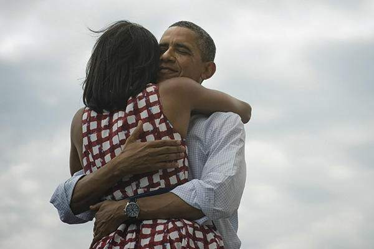
Figure 1.23. Barack Obama as a political brand.
Source: http://www.barackobama.com
Undoubtedly, a clear example of a political brand in which the closeness of the political representative increases the brand awareness of their own party exponentially and, thereby, elicits the loyalty of many undecided voters.
Society is not exempt from generating a brand. Although it is true that there have always been different social classes, at present these differences are emphasized due to changes in urban structure and, with them, the separation of neighbourhoods in cities and towns serving a population with different ethnic, cultural, religious, social, economic and legal origins. Thus, we can distinguish:
• Ghettos: of African-American citizens in New York, Mexicans in Los Angeles, Muslims in Paris, Romanians in Buenos Aires or Latin Americans in Madrid and, all of them, with their own identity and different positioning.
• Urban tribes: like bikers, cumbieros, decoras, floggers, electro-floggers, hackers, hippies, kustom kulturers, nerds, the rolinga or the zazú.
• Subcultures: like The Amish, alternative, emos, freestylers, frikies, graffiti artists, goths, knowmads, millennials, nu metal, hipsters, muppies, beats, rockers, charvers, moderns, underground, underground comics, virtual urban cultures, the dandy, dieselpunk, snobs, flappers, gals, indies, jaggers, metalheads (heavy metal), bikers, paninaros, pasotas, pro-mia, raggares, ravers, skinheads, redskins, ñetas, latin kings, rude boys, diggers, farmers or the wannabes.
• Movements: like the botellón, cupping, mod, punk, steam punk, beard and chiva, coffee racer, costume play (cosplay), cybergoth, fixie, flubbing, friganism, swingers, the kitsch, the low rider, the mainstream, the modding, the nadaism, the polyamory, the retifism, the rock, the urban rock, the roller derby, the second summer of love, the urban ski, the 15-M or the camp.
All of them, without a doubt, are brands that have been formed, consciously or unconsciously, in society.
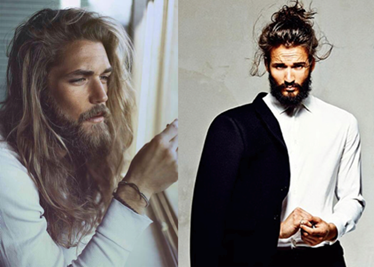
Figure 1.24. Example of hipster subculture.
Source: https://www.hipsteruk.co.uk
It is worth highlighting a special subculture, focused exclusively on marketing managers (who are called “marketers”), advertisers (also called “advertisers”) and brand managers (appropriately called “branders”), whose functions include the identification of goods and services desired by a group of consumers, as well as their communication and marketing on behalf of a company and brand. Therefore, from this moment on, in certain passages of the book, we will include these denominations to refer to these professionals.
Finally, although we have been analyzing human society in general, there are also other types of brands associated with societies such as animal, scientific, virtual and those related to law and business, such as the corporation, civil, cooperative, partnerships, limited, mercantile, systematized. The sociologist Gerhard Lenski differentiated the organization of societies according to their level of communication, economy and technology, among which were those related to simple and advanced agriculture, hunting and gathering, special (for example: fishing or maritime) and industrial.
While it is said that there are universal brands on this planet, referring to those that have long been established in the market, the truth is that the universal brand should refer to everything that goes beyond the stratosphere. For example, the Coca-Cola brand, after its 130 years of existence, is still more alive than ever thanks to its successful use, among other things, of branding. And so it has been for virtually all of its history, becoming a universal brand due in large part to its popularity and recognition. Or the Real Madrid CF brand, considered universal because, with the signing of an Austrian midfielder, there are now 33 different nationalities that have played for it throughout its 113-year history.
While the universal concept applied to certain brands located on our globe is no longer a mere philosophical conception, the definition of universal brand itself transcends metaphysics, and should be based on the firms that make up the conglomerate universe. This could be stipulated as a world full of stars that receive the name of Cosmos. And we emphasize this appreciation because, in recent times, there has been news in the media related to the Mars One mission, organized by a Dutch foundation and implemented by four selected humans. Or the recent discovery by NASA in which they confirm the existence of a planet similar to ours, located in the constellation of Cygnus. Thus, Kepler-452b baptized as “the eldest cousin” of the Earth, is orbiting within the “habitable zone” and links to a total of 1,030 possible planets to visit.
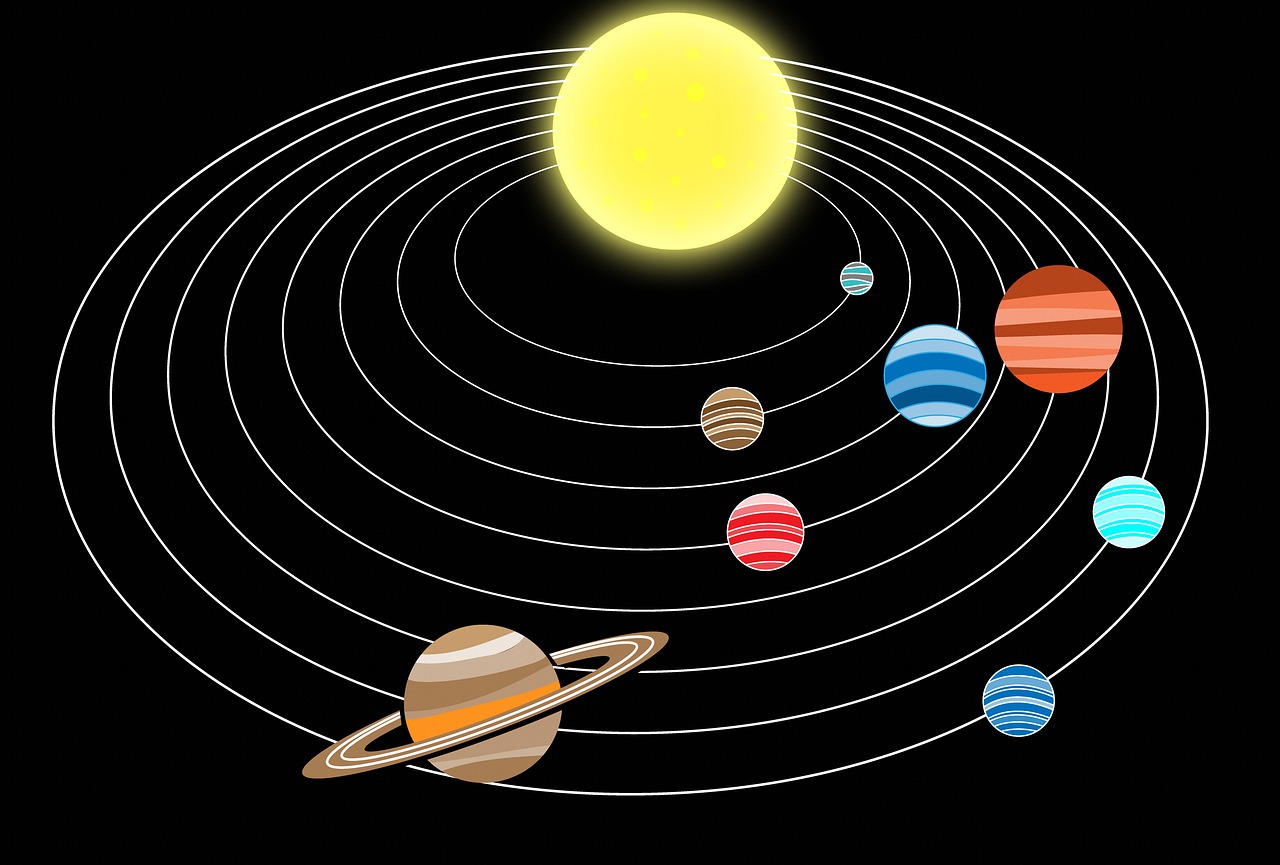
Figure 1.25. Planetary brands of the solar system.
Source: https://www.pixabay.com/illustrations/solar-system
This indicates, broadly speaking, that the universe and its planets have gone from being simple objects of devotion to becoming preferred options when thinking about changing residence, and companies know this. As is the case of Virgin Galactic, a brand founded in 2004 and owned by the Virgin Group, which is working to provide manned suborbital space flights and which already has succulent reserves from celebrities such as Lady Gaga, William Shatner, Philippe Starck, Dave Navarrro, Bryan Singer, Paris Hilton and Brad Pitt. Because, without doubt, the universe has become a market full of products and brands with which to interact and spend the rest of our lives.
In this first chapter, we have analysed the role played by the brand within the organization and the market. At the beginning, the concept of brand was described, indicating that the word brand is derived from the Old Norse word brandr ('burn'). Broadly speaking, it could be considered that a brand is a name, term, design, symbol or a combination of the above, whose purpose is to identify the goods or services of a vendor or group of vendors and differentiate them from the competition. Then, it was argued that the brand is the true reflection of the thoughts, feelings and actions of the consumer, with whom it seeks to achieve a powerful emotional connection, since this is undoubtedly the fundamental link in the value chain of the brand.
Next, it was emphasized that the brand building process must be continuous and indefinite in time, since it feeds on all the actions that the company directs to its public, either through interactions or experiences of use. As, without a doubt, everything builds (or destroys) a brand. Thus, brand strategy is not an accidental process or a random prize that has touched some companies and not others, it is a voluntary, rigorous, methodical process which, carried out with rigor and care, maximizes the possibilities of business success.
Finally, we have analysed the different types of brands that exist in life, in the world and in the universe in general. Thus, these must be conceived as objects of worship and devotion, hoping that people have faith in what they have to offer and the most exquisite museums want to house their associated products among their displays. In addition, the brand must be a faithful reflection of the different lifestyles of the past, present and future, and create their own sanctuaries and spaces of veneration where the faithful and followers can come to contemplate its omnipresence.
The next chapter will address the concept of brand value, its characteristics and the perspectives that emphasize the term, which forms a common language around which companies should be driven and organized.
• Fire element
• Identification and differentiation
• Tangible and intangible elements
• Emotional connection
• Mental structures
Steve Jobs (1955-2011) represents one of the best examples of personal branding, a true icon. Fortune magazine named Jobs CEO of the decade in November 2009. The market considered him one of Apple's most valuable intangible assets. However, the greatest proof of the impact of his personal brand is the universal feeling of condolence that his final farewell aroused.
A brand is a promise of value that produces perceptions, emotions and expectations in the minds of people. In order to create a lasting impact, the brand experience must leave a clear mark of consistent and distinctive value.
1. Visionary leader. With his vision of putting computers in the hands of people, he turned his hippy dream of changing the world for the better into reality. His obsession to redefine the user experience through a friendly interface substantially transformed our relationship with technology to make it friendly and create loving links that make its users adepts.
2. Innovation. Thinking differently, with his creative and revolutionary spirit, he transformed the game into six different fields: personal computers with the Mac, animated movies with Pixar, music distribution with the iPod, mobile phones with the iPhone, digital publication with the Apple Store and tablets with the iPad.
3. Passion for excellence. His passion to realise his dreams led him to put his energy, dedication and intense commitment into tangibilizing the products of his imagination, despite the pressures for compliance. Obsessive, a fanatic for detail, perfectionist, passionate about design, he was able to translate these character traits into fabulous products that combined art and high technology.
4. Audacity. Taking risks requires courage. Jobs had such a sense of purpose, of mission, that only death made him relent in his endeavour to reach higher and higher levels.
5. Resilience. It is the ability to face adversity and emerge stronger. When he was fired from his own company in 1985, after the pain, he faced his fears, put defeat behind him and managed to see failure as the possibility of starting from scratch.
6. Authenticity. Well-digested failure generates the humility of admitting that you have failed, but that you are going to learn from your error so as to not commit it again. Narcissism is the trap of personal branding. Nothing penalizes the brand image more than a false advertisement. Being genuine requires self-knowledge, reflection and self-confidence.
7. Inspiring leader. Steve Jobs, with his charisma, forged through energy, passion, vision and the ability to communicate and excite, has left us a lasting legacy, which will continue to transform the world in the coming decades. In addition to his wonderful speech at Stanford University, the film Toy Story, nominated as the best-animated film of all time by The Online Film Critics Society, which was so influential in the animated film industry for all audiences, video games, graphic platforms and even robotics, are some of his greatest legacies.
”The only way to do a great job is to love what you do.
If you have not found it yet, keep searching. Do not settle.”
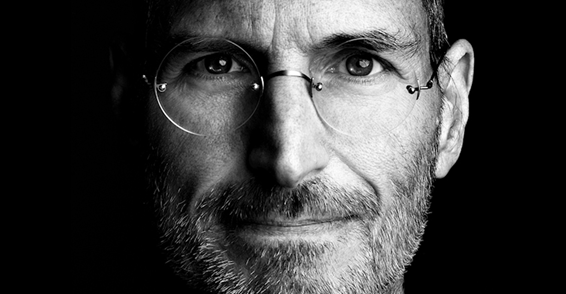
Image: https://www.entrepreneur.com
Source: http://www.canalceo.com/Steve-Jobs-como-icono-mundial, Steve Jobs as a world icon, September 9, 2015 (Adapted by the author).
1. Why do you think Steve Jobs managed to create a powerful emotional connection between his own brand, his company and the consumer?
2. What is the promise of value that Apple made to its customers?
3. Imagine, for a moment, that you are Steve Jobs. What kind of personal brand would you like to be? Would you change anything in his professional side?